
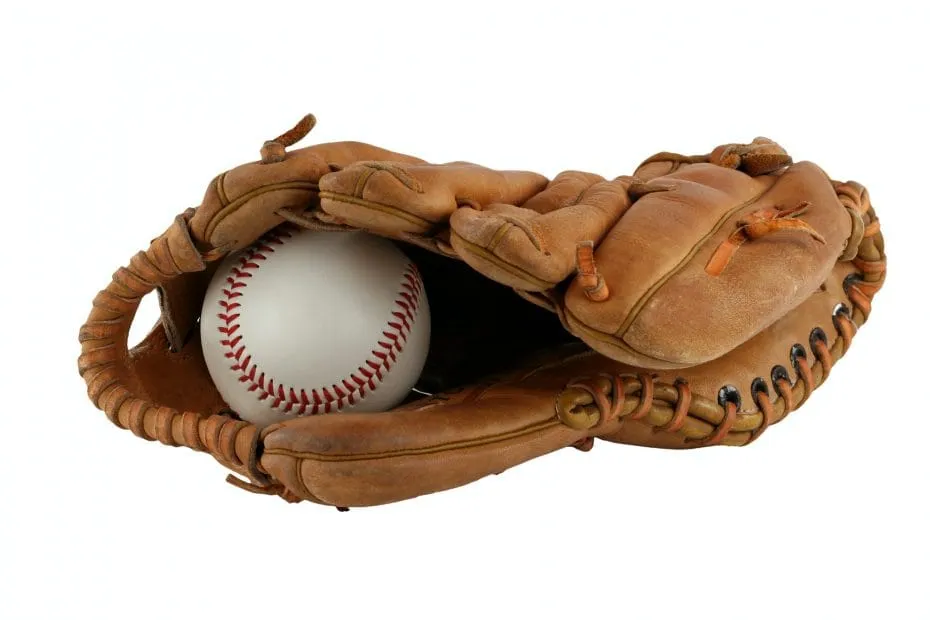

A good glove can make the game easier and more fun, while the wrong one can turn routine catches into a struggle. Whether you are buying a first glove for a young player or replacing a worn-out favorite, a few simple questions will point you in the right direction. Here is what to look at before you buy.
Start With the Position You Play
Gloves are built for different jobs. Infielders need to get the ball out quickly, so their gloves tend to be smaller with a shallow pocket. That makes it easier to find the ball and make a fast throw to first. Outfielders want the opposite: a longer glove with a deeper pocket that adds reach and helps secure fly balls on the run.
Two positions use something different altogether. Catchers wear a mitt with extra padding and no separate fingers, made to absorb pitch after pitch. First basemen use a long, flexible mitt that helps scoop low throws out of the dirt. If you are not sure where you will play yet, our guide to the 9 standard baseball positions explains what each role involves.
Getting the Size Right
Glove size is usually measured in inches, from the top of the index finger down to the heel of the glove. Youth gloves are smaller, infield gloves sit in the middle of the range, and outfield gloves are the longest. Catcher’s mitts are measured around the circumference instead, so their numbers look quite different.
A common mistake is buying a glove that is too big, especially for children, in the hope that they will grow into it. An oversized glove is heavy, hard to close and slows down every catch. It is better to choose a size that fits the player now and lets them control the glove with confidence.
Webbing, Materials and Fit
The web is the section between the thumb and index finger. Closed webs give more support and let pitchers hide their grip from the batter. Open webs, such as the I-web or H-web, are lighter and let fielders see the ball through the glove, which many infielders and outfielders like.
Leather gloves last longer and mold to the hand over time, but they need breaking in. Synthetic or softer leather gloves are often ready to use straight away, which suits younger players and beginners. When you try a glove on, it should feel snug without pinching. Most gloves are labelled by throwing hand, so a right-handed thrower wears the glove on the left hand.
Breaking In and Caring for Your Glove
The best way to break in a glove is simply to use it. Playing catch regularly shapes the pocket naturally. Some players also work a ball into the pocket and keep the glove closed around it with a band between sessions. A small amount of glove conditioner can help keep leather supple, but too much makes it heavy and floppy.
Avoid shortcuts such as ovens, microwaves or soaking the glove in water, as heat and moisture can dry out the leather and weaken the laces. After a game, wipe off dirt, let a damp glove dry at room temperature and store it somewhere cool. Check the laces now and then, because a loose lace is easy to fix early and annoying to deal with mid-season.
A well-chosen glove becomes part of your game. Take your time, try a few on, and pick the one that suits your position and your hand rather than the one with the biggest label. Once you have it, you might enjoy our look at another classic piece of equipment, the Louisville Slugger.